


-

Add: HeBei ShengShi HongBang Cellulose Technology CO.,LTD.
-

Email
13180486930@163.com -

CONTACT US
+86 13180486930



In the world of pharmaceuticals and nutraceuticals, excipients play an essential role in the formulation of drugs, enhancing both their stability and efficacy. Among these, Hydroxypropyl Methylcellulose (HPMC) stands out for its versatile properties and broad range of applications. This article delves into the distinctive characteristics, production processes, and essential benefits of HPMC as an excipient, providing invaluable insights for manufacturers and formulators who aim to leverage its unique attributes for product development. Hydroxypropyl Methylcellulose is a semi-synthetic, inert, and viscoelastic polymer, derived from cellulose. It is renowned for its exceptional ability to modify the viscosity of solutions and its role as a stabilizer, thickener, and film former. These properties make HPMC a preferred choice in the pharmaceutical industry, where it is employed not only in tablet production but also in controlled-release formulations, ophthalmic preparations, and topical agents. The production of HPMC involves the treatment of cellulose with sodium hydroxide followed by a treatment with methyl chloride and propylene oxide. This process yields a complex and adaptable product that can be tailored to meet the specific demands of various drugs, enhancing their performance in ways few other excipients can. The critical control over the degree of substitution and the molecular weight distribution allows manufacturers to customize the viscosity and gel temperature, thus optimizing the stability and release profiles of pharmaceutical formulations. What sets Hydroxypropyl Methylcellulose apart is its role in controlled release mechanisms . As an integral component of hydrophilic matrix systems, HPMC controls the release rate of active pharmaceutical ingredients through a sophisticated erosion and diffusion process. When in contact with bodily fluids, it hydrates rapidly to form a gel layer that regulates drug diffusion and subsequent dissolution. This unique characteristic is particularly advantageous for sustained and controlled-release tablets, providing a predictable pharmacokinetic profile and enhancing patient compliance. hydroxypropyl methylcellulose excipient In topical applications, HPMC serves as an effective film-former, creating a protective layer that not only enhances the delivery of therapeutic agents but also provides moisturizing benefits. Its hypoallergenic and non-toxic nature makes it an optimal choice for dermatological products, ensuring safety and efficacy even in sensitive applications. From a formulators’ perspective, the versatility of Hydroxypropyl Methylcellulose extends into the nutritional supplement industry. It plays a crucial role in the encapsulation of herbal extracts and vitamins, providing a plant-based alternative to gelatin capsules. This property aligns with the increasing consumer demand for vegetarian and vegan products, positioning HPMC as a forward-thinking solution for sustainable product lines. Quality consistency in HPMC production is paramount. Rigorous adherence to Good Manufacturing Practices (GMP) ensures that each batch meets stringent quality standards. Manufacturers who prioritize transparency and reliability in their supply chain build trust with formulators, ultimately impacting the success of end products in the market. Through precise control of process variables and a commitment to quality assurance protocols, the integrity of HPMC as a high-grade excipient is maintained, fostering trust throughout the industry. For formulators exploring innovative ways to augment drug delivery and product integrity, Hydroxypropyl Methylcellulose presents itself as a robust ally. Its adaptability in formulation design, coupled with its favorable safety profile, positions it as a core material in the advancement of both pharmaceutical and nutraceutical applications. When selecting excipients, understanding the inherently unique properties of HPMC could be a game-changer, offering an avenue to superior product performance, enhanced patient experiences, and a competitive edge in the ever-evolving landscape of health and wellness products.
- 40000tons

Production
- 20+years

Experience
- 5000+㎡

Acreage

-
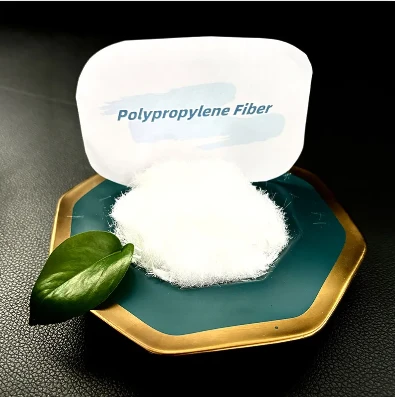
Le Polypropylène Un Acteur Clé dans l'Industrie des Matériaux Le polypropylène, un polymère thermoplastique issu de la polymérisation du propylène, est devenu un matériau incontournable dans diverses industries. Il est largement utilisé en raison de sa polyvalence, de sa légèreté, et de sa résistance aux produits chimiques. Son utilisation s'étend des emballages aux textiles, en passant par les composants automobiles et les biens de consommation. Propriétés du Polypropylène Le polypropylène se distingue par plusieurs propriétés qui en font un choix privilégié pour de nombreuses applications. Tout d'abord, ce matériau est exceptionnellement résistant à la chaleur, ce qui le rend adapté à des environnements où d'autres plastiques pourraient fondre ou se déformer. De plus, il présente une excellente résistance aux chocs, une durabilité qui lui permet de résister à un usage intensif, et il est également imperméable à l'eau, ce qui le rend utile pour les produits ayant des besoins de résistance à l'humidité. Une autre caractéristique remarquable du polypropylène est sa légèreté. Cela permet de réduire le poids des produits finaux, ce qui est particulièrement avantageux dans l'industrie automobile où chaque kilogramme économisé peut améliorer l'efficacité énergétique des véhicules. Enfin, le polypropylène est recyclable, ce qui est essentiel dans une époque où la durabilité et la réduction des déchets sont des préoccupations majeures. Applications du Polypropylène produsen serat polipropilen Les applications du polypropylène sont vastes et variées. Dans le secteur de l'emballage, par exemple, il est utilisé pour fabriquer des films d'emballage, des containers et des bouteilles en plastique. Sa résistance à l'humidité et aux produits chimiques le rend idéal pour les matériaux d'emballage alimentaires, contribuant ainsi à prolonger la durée de conservation des produits. Dans l'industrie textile, le polypropylène est utilisé pour fabriquer des non-tissés, des vêtements, et des tapis. Sa capacité à être teint et à conserver sa forme en fait un choix idéal dans la mode et le design d'intérieur. De plus, dans le secteur automobile, le polypropylène est utilisé pour des pièces intérieures, des panneaux de porte et des composants structuraux, offrant une combinaison de légèreté et de robustesse. Avantages Environnementaux L'un des avantages les plus significatifs du polypropylène est sa recyclabilité. De nombreux pays ont mis en place des systèmes de collecte pour encourager le recyclage des plastiques, y compris le polypropylène. En repensant notre approche de l'utilisation des plastiques, nous pouvons contribuer à la réduction des déchets plastiques dans les décharges. De nombreuses entreprises se tournent vers des matériaux recyclés pour produire de nouveaux produits en polypropylène, favorisant ainsi une économie circulaire. Conclusion En somme, le polypropylène représente un matériau essentiel dans le monde moderne. Sa combinaison unique de propriétés, sa légèreté, sa résistance et sa recyclabilité en font un choix idéal pour une multitude d'applications. Alors que le monde continue de se concentrer sur la durabilité et l'innovation, le polypropylène est bien positionné pour jouer un rôle de leader dans le développement de solutions matérielles durables et efficaces. L'avenir du polypropylène semble prometteur, tant pour les producteurs que pour les consommateurs, dans un monde où les choix de matériaux durables sont de plus en plus déterminants.
-

Nitrile rubber powder , a versatile polymer, is becoming an indispensable asset in numerous industrial sectors. Its unique attributes make it a go-to material for applications requiring resilience, durability, and flexibility. Exploring the numerous facets of nitrile rubber powder provides insight into why it is favored by industries ranging from automotive to consumer goods. Renowned for its remarkable resistance to oils, chemicals, and heat, nitrile rubber powder is a material that stands out for its durability. This attribute is particularly advantageous in manufacturing automotive components such as seals, gaskets, and hoses that frequently encounter harsh environments. These components require a material that does not degrade quickly, thereby ensuring extended service life and reliability in vehicle performance. Another noteworthy feature of nitrile rubber powder is its flexibility. Despite being robust, it can be easily molded, which makes it ideal for creating detailed and complex parts without compromising on strength. Flexibility is a key factor in producing items that require precision and adaptability, such as O-rings and cushioning materials used in various machinery and consumer products. In addition to flexibility and durability, nitrile rubber powder exhibits excellent adhesive properties. This allows for enhanced bonding when combined with other materials, which is crucial in crafting composite products used in construction, electronics, and healthcare. For example, in the construction industry, it is used in adhesives and sealants to provide waterproofing and integrity to structures, ensuring they withstand time and environmental factors. One cannot overlook nitrile rubber powder’s resistance to temperature variations. Its ability to maintain structural integrity across a wide temperature range makes it invaluable for applications exposed to extreme conditions, such as in aerospace or refrigeration systems. In these scenarios, the material’s performance determines safety and functionality, underscoring its importance in critical applications. nitrile rubber powder Moreover, nitrile rubber powder's ease of handling and processing makes it cost-effective for manufacturers. The efficiency in production translates to lower costs without sacrificing quality, a crucial factor for industries aiming to optimize expenditure while maintaining high standards. This aspect is vital for large-scale manufacturing operations where consistency and efficiency are paramount. From an environmental standpoint, nitrile rubber powder’s development has focused on reducing its ecological footprint. Manufacturers are investing in eco-friendly production methods, including recycling initiatives and the creation of compounds that reduce emissions and waste. This focus aligns with global movements towards sustainability, making nitrile rubber powder an attractive option for companies prioritizing environmentally conscious practices. Healthcare is another sector reaping the benefits of nitrile rubber powder. Its hypoallergenic properties make it suitable for producing medical devices and protective gear, such as gloves, which are essential in hospital settings. The material's robustness ensures that these products provide the necessary protection against contaminants, ensuring the safety of healthcare professionals and patients alike. Additionally, recent advancements in polymer chemistry have propelled nitrile rubber powder into new realms of innovation. Research and development are unlocking new potentials, such as enhancing its electrical conductivity for use in electronic parts, thereby widening its scope of application. Such innovations not only elevate the utility of nitrile rubber powder but also reinforce its standing as a premium choice for cutting-edge developments. In summary, nitrile rubber powder is an essential material whose attributes cater to various industry needs, from resisting adverse conditions to providing cost-efficient manufacturing benefits. As industries continue to evolve, the adaptability and reliability of nitrile rubber powder ensure its place as a cornerstone material in both traditional and emerging applications. The ongoing research and shift towards sustainable practices promise a bright future for this polymer, underscoring its role in advancing industrial innovation and environmental responsibility.
advantages
-

200000 Viscosities
Excellent product
We can produce pure products up to 200,000 viscosities
-

40000 tons
High yield
We don’t stop production all year round, and the annual output can reach 40,000 tons
-

24 hours
Quality service
We provide 24-hours online reception service, welcome to consult at any time
———— Inquiry Form
Schedule A services


-
 wire_mesh_for_cement
Oct . 25, 2025
The Versatile Uses of Crumb Rubber Powder Crumb rubber powder, a product derived from the recycling -
 hpmc_juice_bar
Oct . 25, 2025
Retaining optimal eye health in today’s digitally-driven world poses a significant challenge, with i -
 polyvinylpyrrolidone_powder
Oct . 25, 2025
Fiberglass polypropylene has emerged as a revolutionary material in the context of modern manufactur


